
Weather and Safety in Lapland Winter
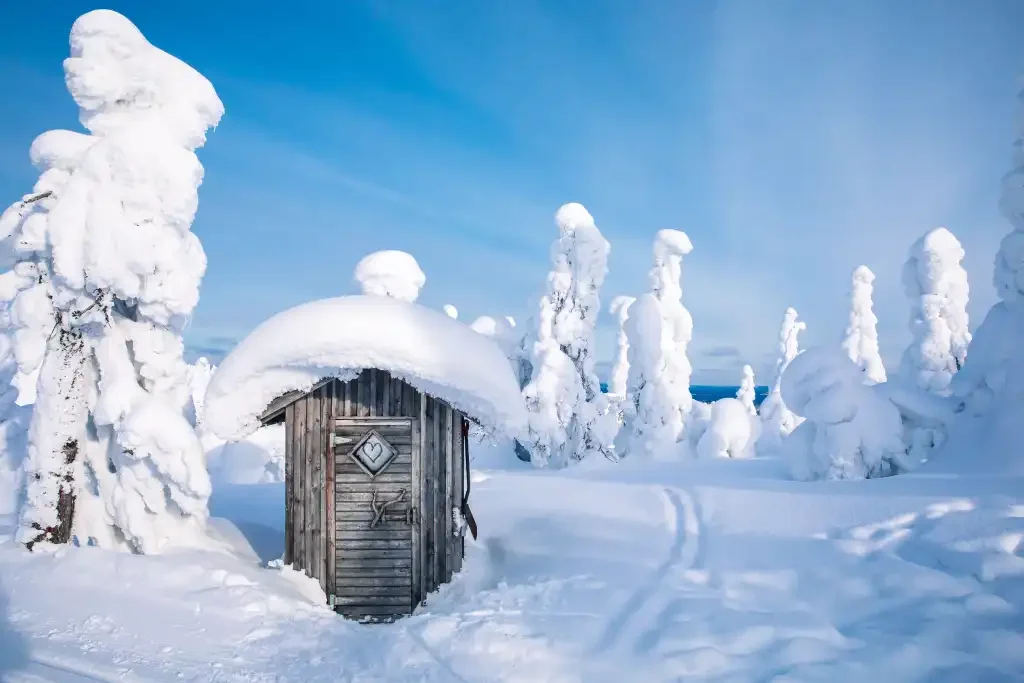
Winter in Finnish Lapland is beautiful and serious. In Rovaniemi, temperatures often sit between –5°C and –20°C and can drop below –30°C in cold snaps. Children cope well when days are short, gentle and warm breaks are close by. This guide shows you how to dress, when to rest and what to watch for, so your family stays cosy and safe while enjoying huskies, reindeer rides and sledding.
At a glance (for families)
Plan short sessions of 45 to 90 minutes.
Keep a heated hut within a few minutes’ walk.
Dress in layers: base, fleece, insulated outer.
Protect cheeks, fingers and toes first.
Carry hot drinks, snacks and spare gloves.
Phone batteries drain in cold. Use a power bank.
Follow guide instructions. If in doubt, warm up.
What winter feels like in Rovaniemi
Expect dry cold that bites exposed skin and can numb fingers fast. Some days are calm with light snow. Others are windy and feel much colder than the thermometer suggests. Children feel wind chill sooner than adults. Build days around the weather: colder mornings, slightly milder afternoons, and early nights.
Dress the family the right way
Layering works. Start with a breathable thermal base layer. Add a mid-layer fleece. Finish with an insulated outer layer that blocks wind. Choose mittens over gloves for small hands and pack a spare pair. Hats should cover ears. Neck warmers are safer than long scarves. Warm, insulated boots with wool socks keep toes happy. Avoid cotton; it holds moisture and chills the skin. If you prefer to travel light, rent outerwear in Rovaniemi and bring your own base and mid layers.
Keep sessions short and warm
Plan one structured activity in the morning and a lighter one later. Always know where the nearest heated hut is. Take warm-up breaks before children ask. Ten minutes with hot chocolate can reset the whole day. If anyone looks flushed, pale or quiet, head inside and reassess. It is better to pause early than to push on and spoil the day.
Food, drink and energy
Cold burns energy. Offer small snacks often: bananas, oat bars, nuts if safe, and warm soups at lunch. Hot chocolate, tea and warm squash are good. Avoid very hot drinks for young children. Encourage steady sips rather than big gulps.
Spot the signs of cold stress
Watch cheeks, fingers and toes. Red, white or numb skin means it is time to warm up. Frostnip stings then fades; treat it with gentle warmth indoors. Frostbite can make skin feel hard or waxy. Rewarm slowly and seek medical help. Hypothermia brings shivering, tiredness, clumsiness and muddled speech. Warm the person indoors, give a sugary drink and call for help if symptoms persist.
Follow your guide’s lead
Good guides know local wind patterns, safe routes and when to cut a session short. Listen to briefings and ask where the heated hut is before you start. Share ages, any medical needs and comfort limits. If your child is neurodiverse or anxious, request a low-stimulus slot or a private family option so you can set the pace.
Phones, batteries and contact
Cold drains batteries quickly. Keep phones inside an inner pocket and use a power bank with a short cable. Download confirmations and maps for offline use. Save your provider’s number and the meeting point in notes. Agree a simple family rule: if separated, go to the hut, not the car park.
Transfers and movement in town
Rovaniemi Airport is close to the city. Taxis and private transfers can supply child seats if you ask at booking and give ages and heights. Paths can be icy. Prams work on cleared streets with a good footmuff, but a carrier is easier near snow play.
When plans should change
If wind chill is severe or children are tired, switch to an indoor break or a shorter activity near a hut. Most providers will help adjust the plan. Northern Lights outings should be short and close to facilities with young children. Treat any aurora as a bonus, not a promise.
Simple cold-day plan that works
Morning: gentle husky meet and short ride near a warm hut.
Lunch: hot soup indoors and a rest.
Afternoon: reindeer ride or safe sled hill play beside a heated shelter.
Evening: early night, or a short aurora look if the sky is clear and everyone feels fresh.
What to pack in a small day bag
Spare mittens, spare socks, tissues, wipes, handwarmers, lip balm, a small first-aid kit, snacks and a power bank. Add a bin liner for wet layers and a tiny torch for dark corners of the hut.
Reassurance for parents
Children do well in Lapland when the day is paced for them. Keep sessions short, warm up often and stay close to facilities. You will get the smiles you came for and still feel in control.
FAQs
How cold is too cold for children?
There is no single number. Use wind chill as your guide. If exposed skin tingles or children get quiet, warm up at once.
Can we rent proper winter clothing in Rovaniemi?
Yes. You can rent insulated overalls, boots, mittens and hats. Bring your own thermal base layers and fleeces.
What should we do if we see pale or numb skin?
Go indoors, warm the area slowly and offer a warm drink. If skin looks hard or waxy, seek medical help.
Are heated huts always nearby?
Most family activities keep a heated hut a short walk away. Ask your provider to confirm the location before you start.
Will our phone work in the cold?
Yes, but batteries drain faster. Keep the phone warm and carry a power bank.