Daylight and darkness in Rovaniemi: winter guide for families
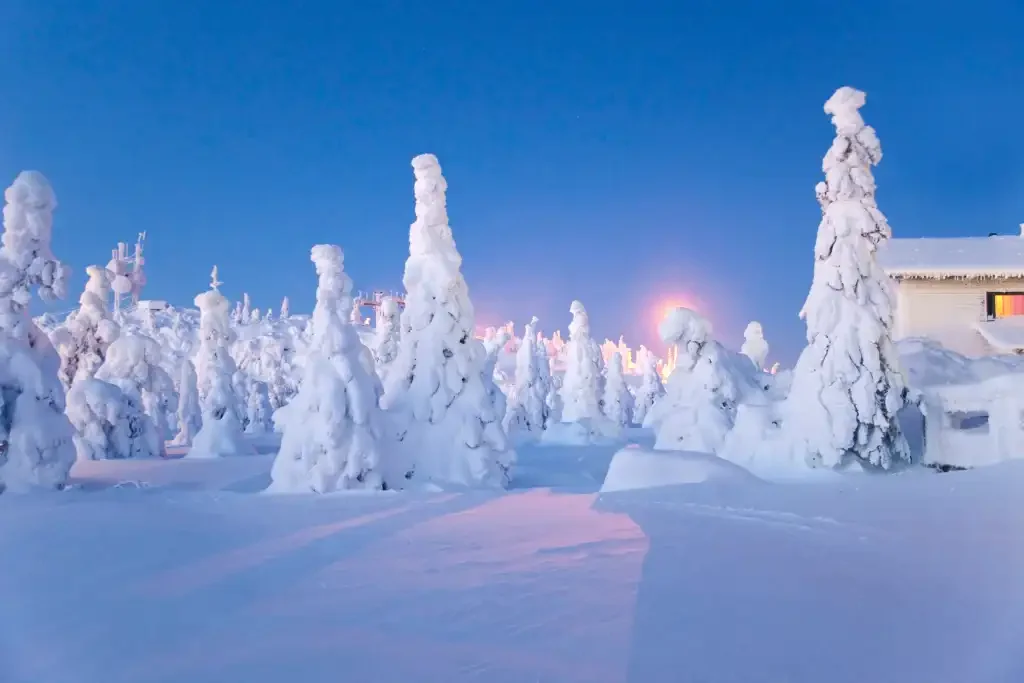
Winter light in Finnish Lapland is soft and short. Rovaniemi does not have full polar night, but midwinter days are brief and twilight can feel like early evening. Plan outdoor activities during the brightest hours and use warm huts for breaks. Evening darkness is perfect for cosy cabin time and, if the sky is clear, a simple aurora outing close to services. This guide explains how much light to expect, how to plan your day and how to keep children safe and visible.
At a glance (winter in Rovaniemi)
Midwinter daylight is only a few hours. Expect the brightest window late morning to early afternoon.
Civil twilight adds useful light before sunrise and after sunset.
Most family activities work best between late morning and mid-afternoon.
Huskies and reindeer are fine in low light with guide lighting.
Carry reflectors and a head torch after school-time hours.
Keep batteries warm. Cold drains phones and cameras quickly.
What winter light looks like in Rovaniemi
From late November to mid-January the sun sits low. The brightest part of the day is late morning to early afternoon. Civil twilight on each side of that window still gives usable light for short walks, photos and transfers. Cloud and snowfall can make it feel darker. Clear days are brighter and often show a soft pink or orange sky.
Typical daylight by month (guidance, not exact times)
Late November to mid-December: Very short days. Plan one outdoor activity close to midday and keep transfers short.
Mid-December to early January: The briefest light of the year. Use warm huts for frequent breaks. Focus on gentle activities near facilities.
Late January: Light returns quickly. Two short activities are realistic with a warm lunch break.
February: Good daylight for families. Morning and afternoon sessions work well.
March: Longer, brighter days with strong sun on clear snow. Keep sunglasses handy.
Planning activities around light
Put your main outdoor activity in the brightest window. A common plan is a late-morning husky meet and short ride, then a warm lunch, then a reindeer sleigh or sled hill play early afternoon. Private or queue-free options help you use the light well. Indoor or cabin-based experiences, such as private Santa, fit naturally when the light is weakest.
Getting around in the dark
Use a reflector on every child and adult. In Finland these are widely sold in supermarkets, sports shops and tourist centres. A small head torch or compact torch is useful after school-time hours. Choose routes with lighting or stay close to town. Tell someone where you are going if you head outside built-up areas. Keep phones and power banks warm in an inner pocket.
Photos and visibility
Low sun and twilight can look beautiful. For sharp photos, wipe lenses dry and keep a spare battery warm. High-visibility bands over dark clothing help drivers and guides see you. Pram covers and footmuffs keep toddlers warm when light wind picks up.
Safety and comfort for children
Short sessions work best. Aim for 45 to 90 minutes per activity with a heated hut nearby. Drink hot chocolate, swap damp mittens and reset. If someone is cold or tired, pause inside and continue when ready. Guides are used to family pacing and can adjust routes to stay close to shelter.
Sample winter day built around light
Morning: Slow start, dress in layers, check sky conditions.
Late morning: Husky & Cocoa Mini near a warm hut.
Lunch: Long, warm break inside.
Early afternoon: Reindeer ride and safe sled hill play next to a heated hut.
Early evening: Rest indoors. If the sky is clear and children are rested, take a short aurora look close to town. Early nights help the next day.
FAQs
Is it too dark for children in December?
No. Days are short, but civil twilight adds usable light. Keep activities close to midday and use warm huts for breaks.
Can we do huskies or reindeer in low light?
Yes. Guides work safely in low light and provide lighting where needed. Stay near facilities in the darkest weeks.
Do we need head torches and reflectors?
A small head torch helps after school-time hours. Reflectors are strongly recommended. You can buy them in town.
When is the best time for an aurora outing with kids?
Try early evening on a clear night, close to services. Keep it short and warm. Aurora is natural and never guaranteed.
How should we protect phones and cameras from the cold?
Carry them close to your body, use a pocket handwarmer and bring a spare battery.